April 20, 2026
Live Percussion and the DJ Hybrid: The Most Underrated Wedding Add-On EMG Offers
Live percussion is the hybrid instrument most couples have not considered — and the one that does something no other add-on can. Here's what a percussionist actually adds to a DJ set and why it might be the right choice for your reception.
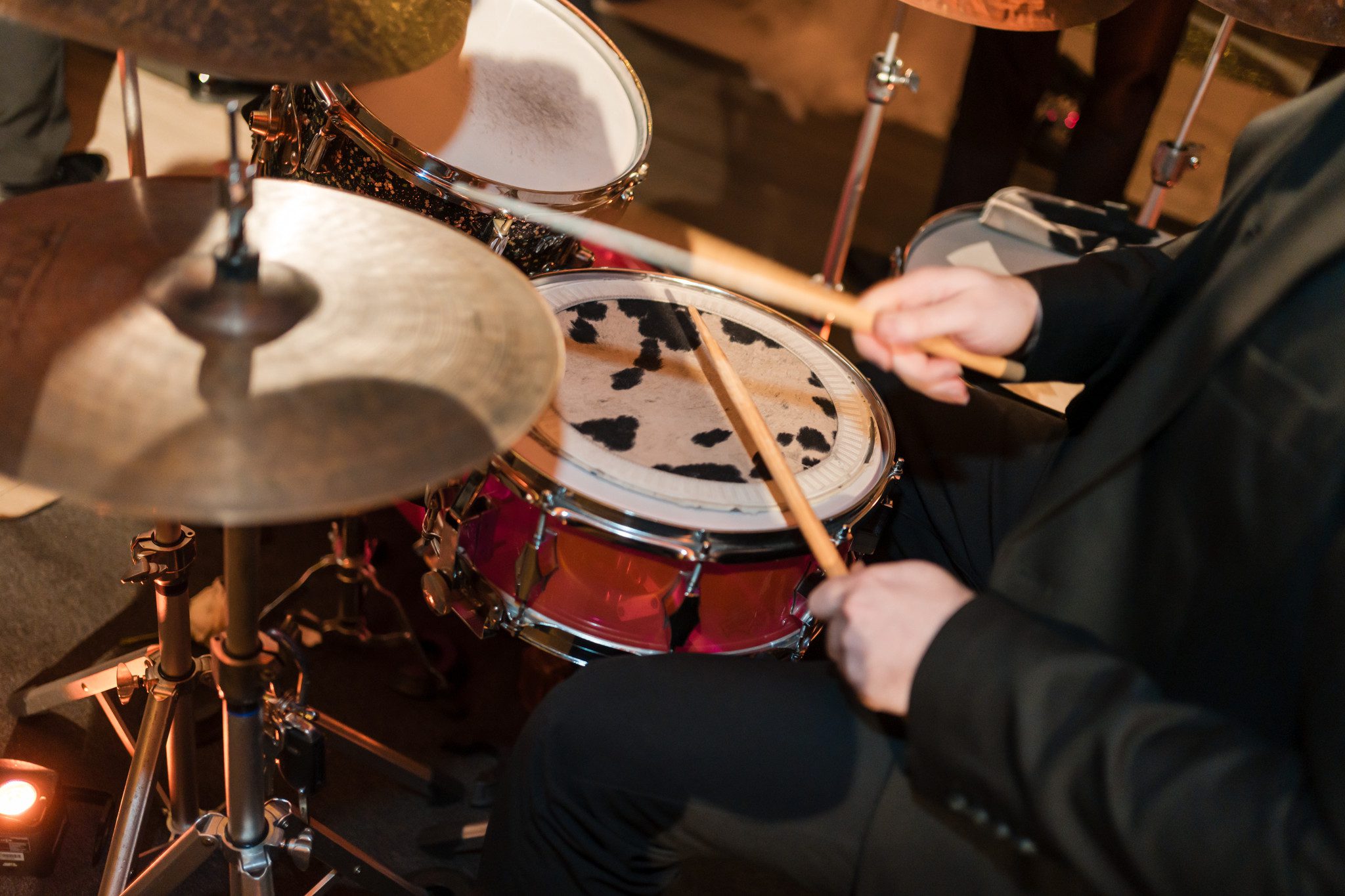
When couples think about adding a live instrument to a DJ set, saxophone comes to mind first. Sometimes violin or guitar. Percussion is almost never the first answer — and that is a mistake. Of all the hybrid instruments EMG offers, live percussion is the one that does something physically different to a dance floor. Not just sonically different. Physically. There is a weight and a resonance to live drums in a room that no speaker system can fully replicate. If your priority is a dance floor that does not just sound great but feels great, this is worth understanding.
Two Types of Percussion – What EMG Offers
EMG offers two distinct percussion configurations for hybrid weddings, and the difference between them matters when you are thinking about your venue, your space, and the atmosphere you want to create.
Auxiliary Percussion includes instruments like bongos, congas, and timbales. The percussionist stands in place and plays alongside the DJ set throughout the dancing portion of the evening. This is a more compact setup that works in virtually any venue regardless of size. The sound is warm, rhythmic, and layered — it adds a live organic quality to the DJ set that guests feel before they consciously register it.
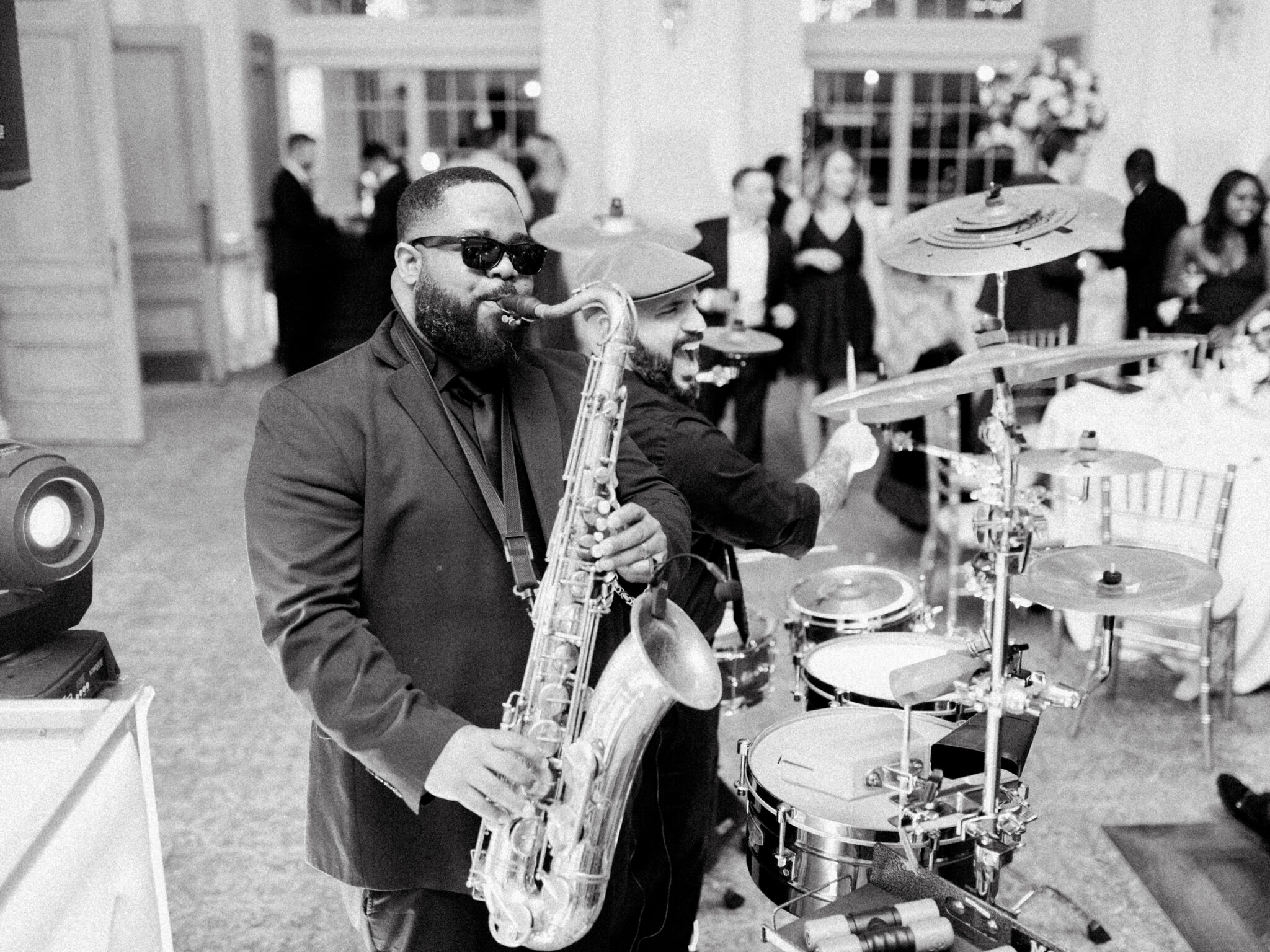
Full Drum Kit is a sit-down drummer performing as part of the hybrid — the kind of drummer you would see in a live band. This is the EMG specialty. Because EMG has a full band division, the roster includes drummers who know how to play in a live event context, reading the energy of the room and responding to what the DJ is spinning in real time. The full kit creates a more dramatic, visually prominent performance presence and a heavier, more physically impactful sound.
Both are excellent. The choice between them comes down to venue size, space logistics, and the aesthetic you are after.
When Does the Percussionist Play During a Wedding?
Unlike some instruments that move in and out of specific moments, EMG’s percussionists perform throughout the dancing portion of the evening. As long as the DJ is spinning dance music, the percussionist is playing.
This is one of the things that makes percussion different from saxophone or violin as a hybrid add-on. It is not a featured moment — it is a continuous layer. The live drums are always present in the mix, always adding to the energy of what the DJ is playing. Guests on the dance floor are experiencing live percussion from the first song of open dancing to the last.
What Do Live Drums Physically Do to the Dance Floor?
This is the question that separates percussion from every other hybrid instrument on the list.
Live drums add weight and resonance to the room that a recorded track alone does not produce. It is not always immediately obvious to guests that there is a live drummer — they may simply feel that the music hits differently, that the bass is more present, that the energy of the room has a physical quality to it. That felt difference is the percussion at work.
There is also a visual and interactive element that is unique to percussion. EMG’s percussionists can sometimes bring the drum kit out into the middle of the dance floor — and in those moments, guests can play along. A bride or groom stepping up to the drums mid-reception is the kind of spontaneous, joyful moment that ends up in every highlight reel.
Percussionist Hybrids
Which Weddings Are the Best Fit for Live Percussion?
Live percussion works at any wedding where the dance floor is a priority. There is no crowd type or music preference that excludes it.
That said, percussion leans especially well into Latin music. Bongos, congas, and timbales are at home in salsa, merengue, bachata, and any Latin-influenced set. Couples who know their crowd includes guests who love Latin music — or couples who want a Latin music segment in their reception — will find that percussion elevates those moments in a way no other instrument can match.
The one practical consideration is venue size. If your reception space is particularly intimate — a small ballroom, a restaurant buyout, a backyard event — a full drum kit may be physically dominant in the space in a way that does not serve the atmosphere. In those cases, auxiliary percussion is the practical choice. Saxophone, violin, or guitar are also worth considering for very small spaces where a compact footprint matters.
Percussion vs. Other Hybrid Instruments — How to Think About It
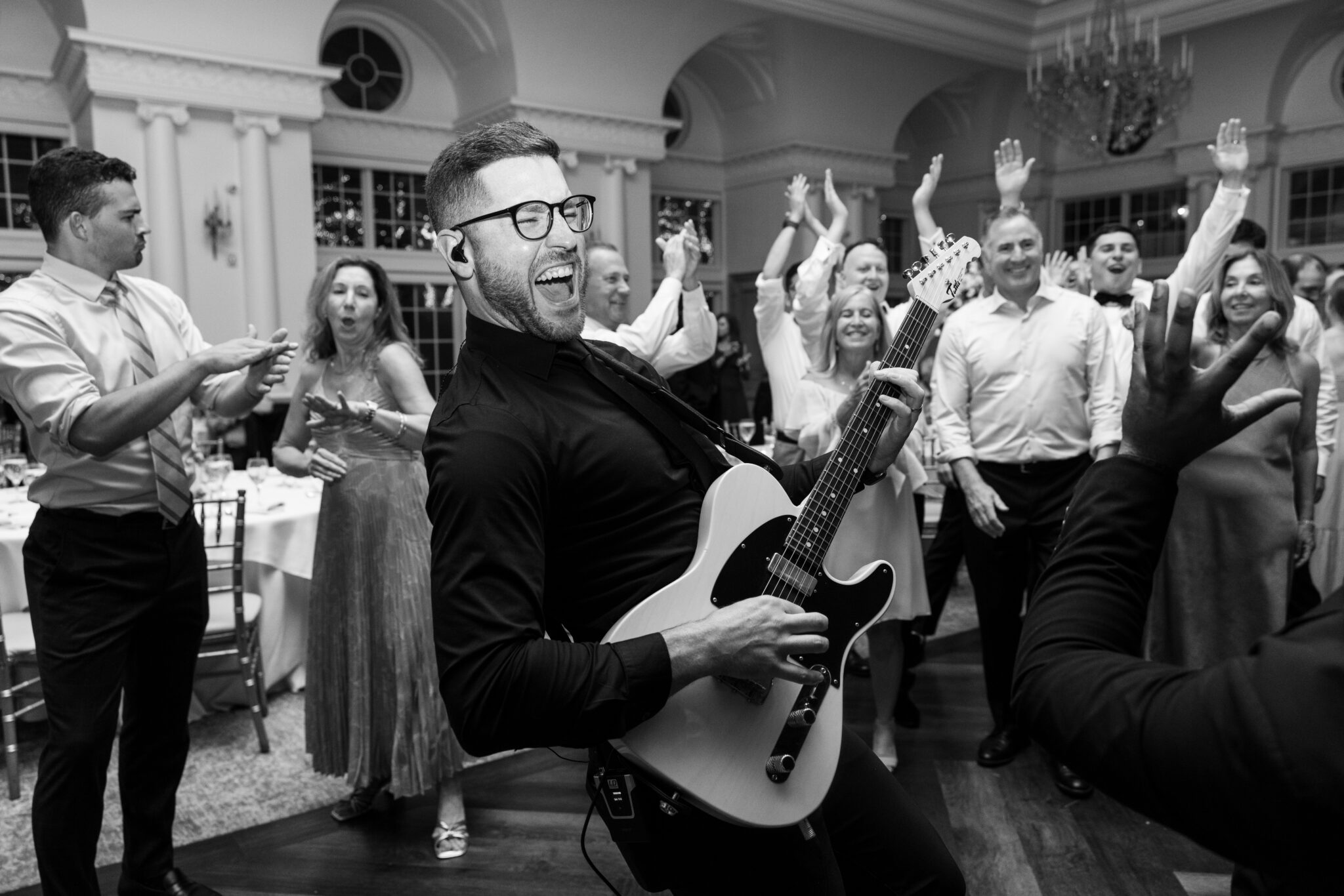
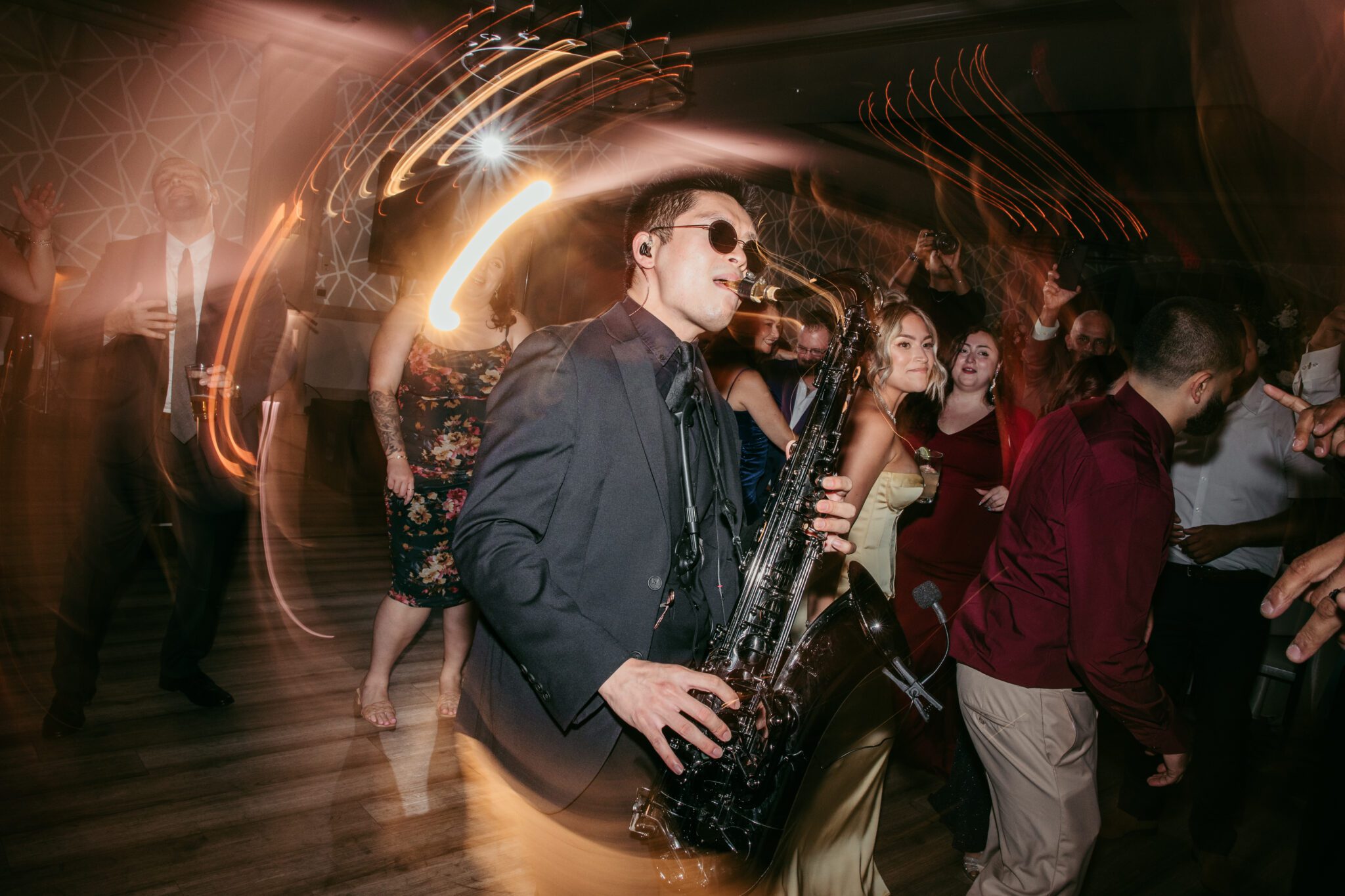
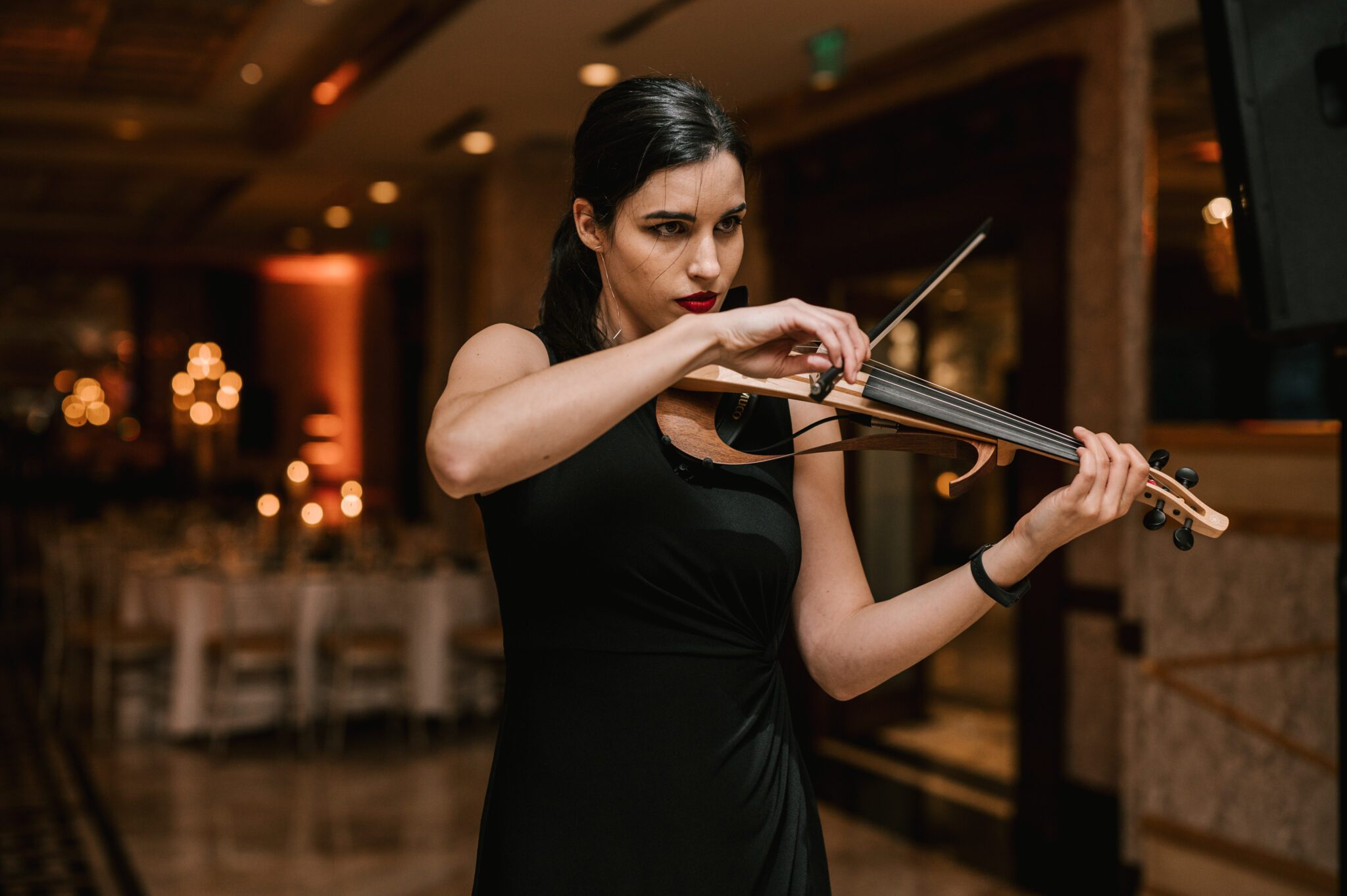
Saxophone and violin are melody instruments — they play over the music, adding a recognizable live sound on top of what the DJ is spinning. Percussion is a rhythm instrument — it plays with the music, adding depth, weight, and physical energy to what already exists in the track.
They are not competing with each other. They do different things. The question is which thing your reception needs most. If you want guests to hear a live instrument performing over the set, saxophone or violin is the answer. If you want guests to feel the music differently — to experience a physical presence that speakers alone cannot deliver — live percussion is the answer.
The best way to experience it is in person. EMG hosts Night Out events where engaged couples can hear and see the percussionist hybrid live before making any decisions. If you have been on the fence about whether to add a drummer, one song at Night Out will settle it.
Ready to talk through whether a percussionist hybrid is right for your wedding? Every celebration is different. Let’s figure out the perfect sound for yours by contacting our team.
Percussionist and DJ Hybrid FAQs
What is a live percussion and DJ hybrid for a wedding?
A live percussion and DJ hybrid is a configuration where a professional DJ runs the reception while a live percussionist performs alongside in real time. EMG offers two percussion formats: auxiliary percussion (bongos, congas, timbales) for a compact setup that works in any venue, and a full sit-down drum kit for a more dramatic performance presence. Both play continuously throughout open dancing.
How does live percussion change the dance floor at a wedding?
Live percussion adds a weight and resonance to the room that recorded music alone cannot produce. Guests on the dance floor feel the music differently — heavier, more present, more physically immediate. It is often a felt difference before it is a consciously noticed one. EMG’s percussionists can also bring drums onto the dance floor for interactive moments where guests can play along.
Is live percussion good for Latin wedding music?
Yes — percussion is the instrument that leans most naturally into Latin music. Bongos, congas, and timbales are at home in salsa, merengue, bachata, and any Latin-influenced set. Couples who want a Latin music segment or who have guests who love Latin music will find that live percussion elevates those moments in a way no other instrument can match.
Does a full drum kit work in a small wedding venue?
For very small reception spaces, a full drum kit can be physically dominant in a way that does not serve the atmosphere. In those cases, auxiliary percussion is the better choice. Saxophone, violin, or guitar also work well for compact venues where footprint matters.
How is live percussion different from saxophone or violin as a hybrid add-on?
Saxophone and violin are melody instruments — they play over the music, adding a recognizable live sound on top of the DJ set. Percussion is a rhythm instrument — it plays with the music, adding depth, weight, and physical resonance that guests feel in the room. They do different things and are not competing with each other. The choice depends on whether you want guests to hear a live instrument or feel the music differently.